Why Fast Gutter Repair in Hackettstown Can Prevent Bigger Bills
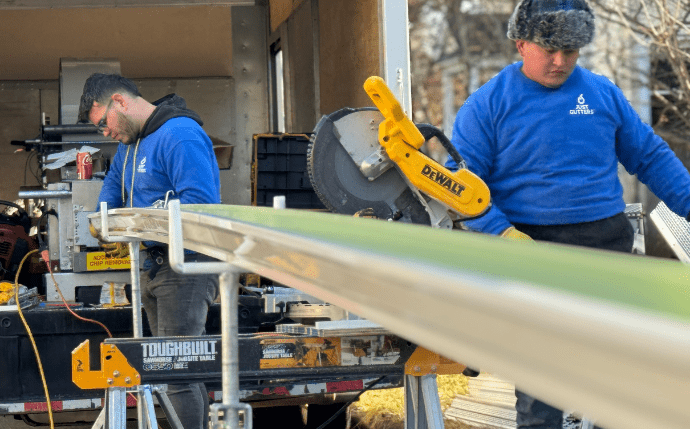
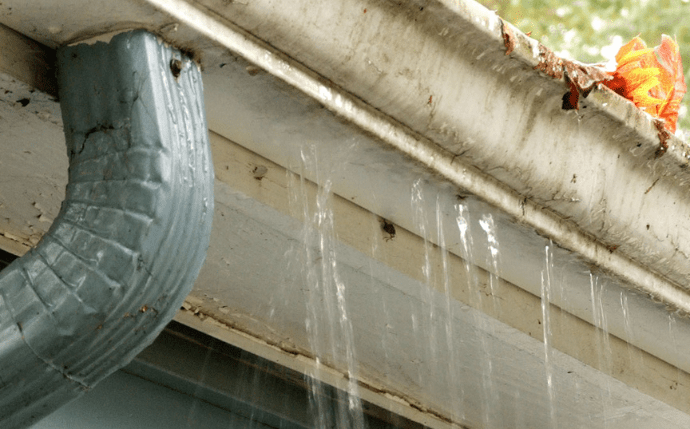
A gutter problem rarely looks expensive on day one. It starts as a drip at a seam, a section pulling slightly away from the fascia, or a downspout that spills water a foot too close to the foundation. Many homeowners in Hackettstown look at those issues and think they can wait until next season. That delay is where the real cost begins.
Gutters sit in an awkward category of home maintenance. They are exposed to weather every day, they protect some of the most expensive parts of the house, and yet they are easy to ignore because they are above eye level. You do not feel the damage immediately the way you would with a broken furnace or a leaking supply line under a sink. Water from bad gutters works more slowly, but it is relentless. It softens soil, stains siding, rots trim, loosens shingles, and keeps finding the path of least resistance.
That is why quick action matters. A modest repair often stays modest only if it happens early. Once water starts moving where it should not, the repair bill can shift from a few hundred dollars for targeted gutter work to several thousand for fascia replacement, basement moisture correction, landscaping restoration, or even foundation crack repair. For homeowners searching for Gutter Repair Hackettstown services, the real value is not just fixing the metal channel itself. It is stopping a chain reaction before it gets expensive.
The hidden job your gutters do every time it rains
A healthy gutter system does one thing extremely well: it controls water. That sounds simple until you consider how much water a roof sheds during a heavy New Jersey storm. Even a moderate-sized roof can funnel hundreds of gallons in a short period. Without a working gutter and downspout system, that water does not disappear. It drops near the house, saturates the soil, splashes against siding, and builds pressure around foundations.
In Hackettstown, that matters because homes here deal with a full range of weather. Summer thunderstorms can dump rain hard and fast. Winter brings snow loads, freeze-thaw cycles, and ice that stresses brackets and seams. Spring often reveals the damage, with gutters sagging under debris or pulling loose after repeated freezing and expansion. Fall adds another challenge with leaves and seed pods clogging channels and downspouts right before cold weather arrives.
When gutters are doing their job, most homeowners never think about them. Water runs cleanly through the trough, down the downspout, and away from the house. When they stop doing that job, even in a small way, water starts attacking the home’s weakest points. The fascia board behind the gutter is often first. Then soffits, roof edges, window trim, and the ground line around the foundation begin to show signs.
That is why small gutter issues are rarely isolated. A gutter does not fail in a vacuum. It fails in contact with roofing, wood trim, siding, masonry, and soil. Fast repair protects all of those connected systems.
Why minor damage becomes major damage faster than people expect
One of the most common misconceptions about gutters is that if water is still flowing somewhere, the system is mostly fine. In reality, even a partial failure can cause concentrated damage. A leak at one seam may release only a narrow stream during light rain, but over weeks and months that stream lands in exactly the same spot. It can gouge mulch beds, compact soil, splash mud onto brick or siding, and create a persistent wet zone near the house.
I have seen homes where a single loose downspout elbow led to basement dampness because runoff collected along one foundation wall for an entire season. The gutter itself was not destroyed. The issue looked small from the ground. But the repair that finally mattered was not just reconnecting the elbow. It included drainage work, cleanup, and interior moisture control. That is the kind of bill homeowners remember.
Sagging is another example. When a gutter starts to tilt or pull away, people often assume the problem is cosmetic. It is not. The pitch of the gutter is what moves water toward the downspouts. If that pitch changes, water pools in sections, adding weight and stressing hangers. During colder weather, that standing water freezes, expands, and puts more force on seams and fasteners. What might have been a simple re-securing job in October can become replacement of a full section by January.
The same pattern applies to clogs. Debris does more than block water. Wet leaves hold moisture against metal and create a heavy load. Overflow from a clogged gutter often runs behind the gutter, where it wets fascia boards and the ends of roof decking. Homeowners may notice peeling paint or dark streaks long before they realize the wood underneath has started to soften.
The local conditions in Hackettstown that make timing important
Hackettstown homes face a weather pattern that is hard on exterior systems. Rain intensity matters just as much as total rainfall, and intense downpours expose weak points quickly. A gutter that seems good enough during a drizzle can overflow badly in a summer storm. Then winter puts those same weak points under a different kind of stress.
Freeze-thaw cycles are especially hard on older gutter systems. Water trapped in low spots expands when it freezes. Ice can open seams, deform end caps, and loosen mounting hardware. If snow slides off a roof edge unevenly, it can twist gutters that already have reduced support. By the time warmer weather arrives, the system may not look dramatic from the ground, but its alignment and integrity can be compromised in several places.
Tree cover is another local factor. Many properties in and around Hackettstown have mature trees, which add character and shade but also increase gutter maintenance needs. Fine debris from maples, oaks, and evergreens can be worse than big leaves because it packs tightly and slips into downspouts. That kind of clog is not always visible unless someone checks the system closely.
Age of housing stock also plays a role. Older homes may have wood fascia, legacy fastener systems, or gutter runs that were adequate decades ago but now struggle with roof modifications, additions, or changing drainage needs. Newer homes are not immune either. Improper pitch, undersized downspouts, or poor installation can create trouble surprisingly early.
Fast repair makes sense in this environment because waiting usually means exposing the home to at least one more heavy storm or one more freeze event. That is rarely a good gamble.
What a prompt repair can stop before it spreads
Most homeowners think of gutter repair as a narrow service. Replace a bracket, seal a seam, reconnect a downspout, clear a blockage. Those are the direct tasks, but the bigger financial value comes from what those repairs prevent.
A leaking or overflowing gutter can damage roof edges first. Water that gets behind the gutter saturates fascia boards and can wick into roof sheathing. Once wood stays damp, it loses strength and becomes a better target for rot and pests. Repairing a section of fascia is far more invasive than resealing a seam or tightening the gutter line.
Foundation issues are where costs often climb sharply. No, every bad gutter does not lead to structural failure. That would be overstating it. But persistent runoff against the foundation can contribute to settlement in some soils, encourage cracks to worsen, and increase water intrusion in basements or crawl spaces. The gutter repair itself may be straightforward. The consequences of avoiding it are not.
Exterior finishes also suffer. Siding stains, paint peels, and masonry develops splash marks or efflorescence when water keeps hitting the same areas. Landscape beds wash out. Walkways become slick. In winter, poor drainage can create icy patches near entrances, which adds a safety risk to the repair discussion.
Inside the house, the link is less obvious but still real. Chronic moisture around the exterior can raise humidity in basements, worsen musty odors, and create conditions where mold is more likely to develop on vulnerable surfaces. Homeowners often try dehumidifiers first, which may help, but if the source remains bad roof drainage, the symptom returns.
The repairs that usually cost less when handled early
Not every gutter issue requires replacement. In fact, many do not, especially when caught early. Small leaks at seams or corners can often be resealed if the surrounding material is still solid. Loose hangers can be re-secured or upgraded before the gutter loses shape. Downspouts can be reattached, re-angled, or extended to improve drainage. Minor slope corrections can restore proper flow and prevent standing water from building up.
Even section replacement can stay manageable if the problem is limited and adjacent areas are sound. The challenge comes when a neglected issue has already caused collateral damage. At that stage, a contractor may need to address rotted wood, detached fascia, or multiple failed sections that no longer align correctly.
A fast call for Gutter Repair Hackettstown service often keeps the scope tight. That matters not only for cost but also for scheduling. A one-visit repair is easier to complete than a project requiring carpentry, gutter replacement, painting, and possible masonry or drainage work afterward.
There is also a timing advantage. During peak seasons, especially after major storms, contractors get booked quickly. Homeowners who act when a problem is small usually have more options and less https://anotepad.com/notes/k3yq35dt urgency than those calling only after water starts showing up in the basement.
Signs your gutter problem should not wait
Some warning signs are obvious, while others are easy to rationalize away. Overflow during rain is the clearest signal. If water pours over the edge instead of through the downspout, something is wrong with capacity, slope, blockage, or outlet flow. Gutters that visibly sag or separate from the house should also move to the top of the repair list.
Less obvious signs include dark streaks on siding, peeling paint near rooflines, puddling near the foundation after storms, or erosion channels in mulch beds. A downspout that discharges right beside the house may not look broken, but it is still creating risk. Rust spots, pinholes, and recurring drips at corners are small problems with a habit of becoming larger ones.
Here are the signs that usually justify prompt attention:
- water overflowing or spilling behind the gutter during rain
- sections that sag, twist, or pull away from the fascia
- stains, rot, or peeling paint near the roof edge
- standing water in the gutter a day after rain stops
- soil washout, puddles, or damp basement walls near downspout discharge points
None of these automatically means a full replacement is needed. They do mean the system is no longer protecting the house the way it should.
Why DIY fixes often miss the real issue
Some homeowners are comfortable handling light maintenance, and there is nothing wrong with clearing a simple clog or reattaching a loose extension if it is done safely. The trouble starts when a visible symptom gets patched without diagnosing the cause.
For example, a homeowner may seal a leaking seam successfully, only to find the leak returns because standing water is pooling there from improper pitch. Another person may clean out leaves but miss a downspout blockage lower in the system. Someone else may screw a loose gutter back into place without realizing the fascia behind it has softened, so the fastener will not hold for long.
Height is another factor. Gutter work seems simple until you are on a ladder dealing with wet debris, awkward angles, and long sections of metal. Falls are common, and they happen fast. Even aside from safety, many homeowners do not have the tools to check pitch accurately, test flow across multiple runs, or spot early rot where the gutter meets the roof edge.
The best repairs address both the failure and the reason for the failure. That is where professional judgment saves money. A good technician can tell whether a gutter is worth repairing, whether a local section should be replaced, or whether the real problem is poor drainage planning rather than the gutter itself.
Repair versus replacement, and where judgment matters
Homeowners often ask whether it makes sense to repair old gutters or replace them outright. The honest answer depends on condition, material, and how many parts of the system are failing at once. If the gutters are generally sound and the issues are limited to a few leaks, loose hardware, or isolated damage, repair is often the smarter financial move.
If the system has widespread rust, repeated leaks, distorted sections, failing fascia attachment, and poor performance across multiple runs, replacement may be more economical over the next several years. Spending money on repeated small fixes for a system that has reached the end of its useful life can become false economy.
This is where homeowners benefit from a contractor who does not force a one-size-fits-all answer. Sometimes the right recommendation is a hybrid approach. Replace one damaged run, add better downspout extensions, and repair the remaining sections that still have years left in them. That kind of measured approach tends to be more credible than pushing full replacement every time.
For homes in Hackettstown, weather exposure and tree debris can shorten the practical life of a gutter system if maintenance has been inconsistent. On the other hand, a well-installed aluminum system can often be restored to good function with selective repairs and cleaning.
The cost difference between acting now and waiting
Exact pricing varies by house size, accessibility, material, and extent of damage, so it is smarter to talk in ranges and categories than fixed numbers. A basic repair, such as sealing leaks, rehanging a loose section, or correcting a downspout issue, is usually far less expensive than replacing rotted fascia or addressing water intrusion inside the home.
Where homeowners get into trouble is by comparing the cost of a repair only to the cost of doing nothing today. That is the wrong comparison. The useful comparison is repair now versus repair later plus secondary damage. Once you look at it that way, fast action nearly always makes more financial sense.
A few examples make the point. A small seam leak might cost relatively little to repair, but if it keeps wetting trim for a season, that can lead to carpentry and repainting. A clogged downspout may be inexpensive to clear, but if runoff floods a basement corner during one major storm, the cleanup and mitigation costs rise quickly. A loose gutter section may be easy to resecure, but if it tears free during snow or ice, the replacement scope grows and can take fascia with it.
That pattern is why experienced contractors often sound urgent about “small” gutter issues. It is not sales pressure when it is honest. It is pattern recognition.
What homeowners should expect from a solid repair visit
A proper repair visit should go beyond the one spot you noticed from the driveway. The contractor should assess the full run, the downspout path, attachment points, and the condition of adjacent wood and roof edges. Water testing, when practical, can reveal whether the pitch is correct and whether the downspout is carrying water away effectively.
You should also expect clear communication. If a repair is likely to hold for years, that should be said plainly. If it is more of a short-term fix because the system is near the end of its life, that should also be stated without drama. The most useful estimates explain not just the work proposed, but why that scope makes sense.
These questions help separate a superficial patch from a thoughtful repair approach:
- is the issue isolated, or does it point to a broader drainage problem
- are the fascia and attachment points still solid
- is the gutter pitched correctly to the downspout
- where does the discharged water go after it leaves the downspout
- would a repair hold, or is replacement of a section the better value
Those answers matter more than a quick promise to “fix the leak.”
Fast repair is really about protecting the expensive parts of the house
People do not repair gutters quickly because gutters are glamorous. They do it because gutters stand guard over more costly materials. Roofing, wood trim, siding, foundation walls, basements, and landscaped grading all depend on controlled drainage. When that control fails, the damage moves outward from the gutter to everything around it.
That is the practical reason speed matters. A prompt repair keeps the problem in the gutter category, where it belongs. Delay allows the problem to migrate into carpentry, waterproofing, painting, masonry, and interior moisture issues. Once that happens, the bill reflects multiple trades instead of one.
For homeowners in Hackettstown, the smart move is simple: treat gutter issues while they still look small. If you have noticed overflow, sagging, leaks, washout near the house, or suspicious moisture signs, it is worth getting the system checked before the next hard rain or freeze. Good Gutter Repair Hackettstown service is not just maintenance. It is a way to avoid paying for damage that never needed to happen.
Just Gutters LLC
Address: 262 Main St, Hackettstown, NJ 07840
Phone number: +12013319454
FAQ About Gutter Repair Hackettstown
What is the average cost to repair gutters?
The average cost to repair gutters is about $390, with most jobs ranging from $120 to $900 depending on the damage. You can explore detailed data and estimates on Angi.
Can I repair a gutter myself?
Yes, you can easily repair most common gutter problems yourself if you are comfortable working on a ladder.
How much does it cost to repair a leaking gutter?
The average cost to repair a leaking gutter ranges from $75 to $350. Most homeowners spend around $150 to $250 to hire a professional to patch small holes or reseal leaking joints. If the damage is severe and requires replacing entire sections, the price can increase from $300 to $800.